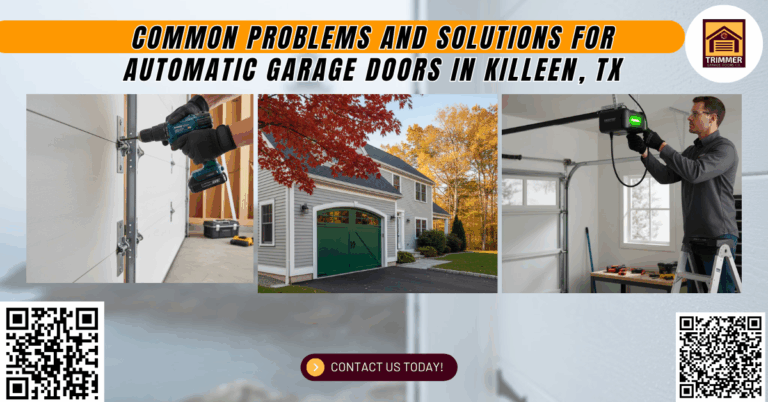
Garage door troubleshooting is one of those skills you do not think about until your door refuses to move and you are late for work, school drop off, or a shift at Fort Cavazos. At Trimmer Garage Doors Co. in Killeen, TX, we have seen every kind of door problem you can imagine. Sometimes it is a simple fix, and sometimes it is a warning sign that parts are about to fail. Either way, knowing what to look for helps you stay safe, protect your property, and avoid bigger repair bills.
Here is a quick story from a real call we handled off E Central Texas Expy. A homeowner heard loud pops the night before, then the next morning, the door would not lift more than a few inches. They thought the opener was dead. But once our technician arrived, we found a snapped torsion spring. That door was basically trying to lift two hundred pounds with no help. If they had kept forcing it, the opener could have burned out, and the door could have slammed down. A little knowledge saved them money and prevented a dangerous situation.
Industry data backs this up. Most emergency garage calls come from a few repeat issues: broken springs, misaligned tracks, sensor problems, and opener failures. Think of your garage door like a moving wall. It relies on balance, smooth rolling, and good electronics to work right. When one part slips out of place, the whole system can struggle. This guide gives you clear steps to check what is wrong and decide what you can safely handle yourself.
Why Garage Door Troubleshooting Matters for Killeen Homeowners
Your garage door protects your car, tools, and often your main entry into your home. In Killeen, garage doors also deal with hot summers, sudden storms, dust, and daily use. A door that runs poorly can waste energy by letting hot air into your garage, which can raise the temperature of rooms next to it. Good garage door troubleshooting also keeps you compliant with basic building code safety rules, including proper auto reverse sensors and correct pedestrian door size standards when a garage includes a side entry door.
A healthy door system includes these main parts:
- Door panels and hinges that flex as the door bends along its path
- Tracks that guide the rollers
- Rollers that carry the door smoothly
- Springs that counterbalance weight
- Cables that support lifting
- Opener motor and drive that pull or push the door
- Safety sensors that prevent crushing accidents
- Weather seals that block air and pests
If any of these wear out, you may see warning signs. The earlier you notice them, the easier the repairs are.
Safety First Before You Touch Anything
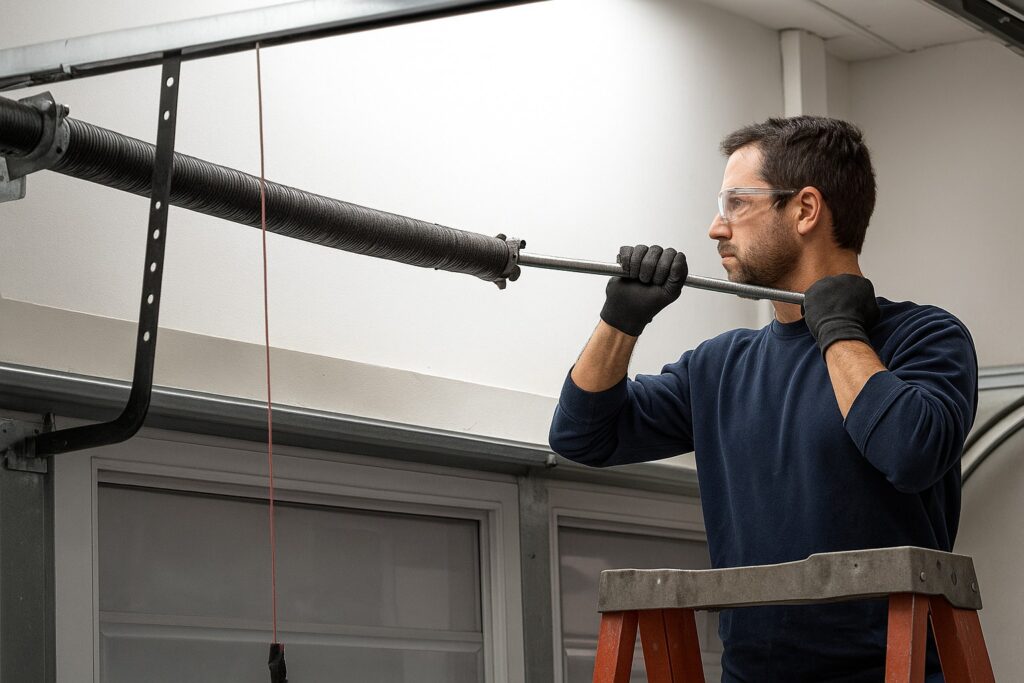
Let us be blunt. Some garage door repairs are safe for a careful homeowner, and some are not. Springs and cables store huge tension. A slipping spring can whip like a steel snake. That is why trained technicians use special tools, strict steps, and years of experience.
Before you start:
- Unplug the opener if you are inspecting moving parts.
- Keep kids and pets away from the door area.
- Never loosen or remove springs, drums, or lift cables.
- Use a stable ladder or sawhorse if you need height. A sawhorse is great for holding tools and giving you a safe surface, but never climb on one.
- Wear gloves and eye protection.
- If you hear grinding, snapping, or see hanging cables, stop and call a pro.
In many building forums, including old sawhorse members groups and community discussions, inspectors often remind homeowners that spring work is not a DIY job. Even a bronze member or silver member in those forums will tell you the same thing. We agree with that advice one hundred percent.
Tools You Might Need
You do not need a full workshop, but a few basic tools help:
- Flashlight
- Tape measure
- Level
- Screwdriver set
- Socket or wrench set
- Silicone-based garage door lubricant
- Clean cloth
- Step ladder
- Sawhorse for tool staging
- Smartphone for recording noises or movement
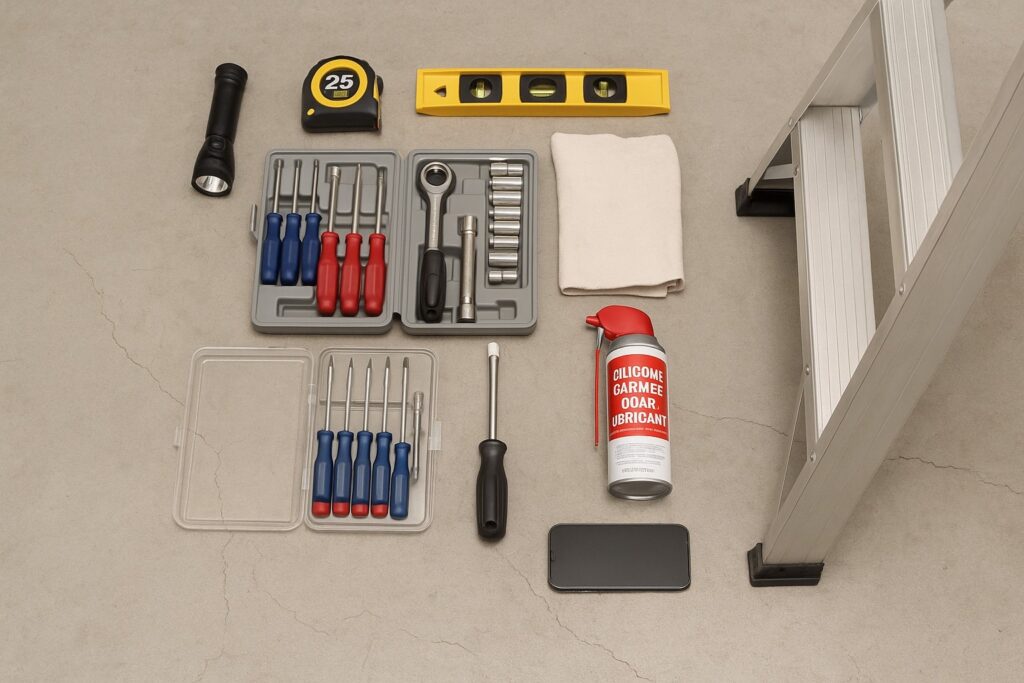
Avoid using heavy grease or random sprays because they attract dust. If your door is EnergyStar rated or insulated, keeping moving parts clean protects that efficiency.
Common Warning Signs and What They Mean
1. The door is stuck and will not open or close
Possible causes:
- Opener unplugged or power outage
- Broken spring
- Obstructions in tracks
- Locked door
- Travel limits are set wrong
What to do:
- Check the opener power and the wall button.
- Look for a red emergency release cord hanging down. If it is pulled, the door may be disconnected from the opener.
- Try lifting the door manually. If it feels extremely heavy or will not lift, a spring is likely broken. Stop there. Do not force it.
- Check the track area for rocks, dirt clumps, or small toys.
- Make sure the manual lock bar is not engaged.
2. The door opens halfway, then stops
Possible causes:
- Weak spring or spring starting to fail
- Opener motor overheated
- Track friction
- Misaligned rollers
- Limit settings off
What to do:
- Wait five minutes and try again. Some openers stop after overheating.
- Inspect rollers for flat spots or wobbles.
- Listen for squealing or grinding. Usually, this means dry rollers or track. Lubricate lightly.
- If the door still stops at the same spot, your opener limits might need adjustment. Most openers have small adjustment screws labeled up and down. Turn them into tiny steps.
If you are unsure, call us. Setting limits wrong can crush the door into the floor or pull it off track.
3. The door closes, then reverses
Possible causes:
- Safety sensors blocked or misaligned
- Close limit set too far
- Floor seal binding
- Damaged track
What to do:
- Clean sensor lenses with a soft cloth.
- Check that both sensors face each other at the same height. Their tiny indicator lights should be steady. Flashing lights mean they do not see each other.
- Remove any boxes, bikes, or bollard-style parking posts from the path. Yes, even a small bollard can trigger a reversal.
- If sensors look good, try adjusting the close limit slightly.
4. The door makes loud noises
Possible causes:
- Dry rollers, hinges, or springs
- Loose hardware
- Worn rollers
- Opener chain too loose
- Bent track
What to do:
- Tighten visible bolts on hinges and track brackets. Do not touch spring hardware.
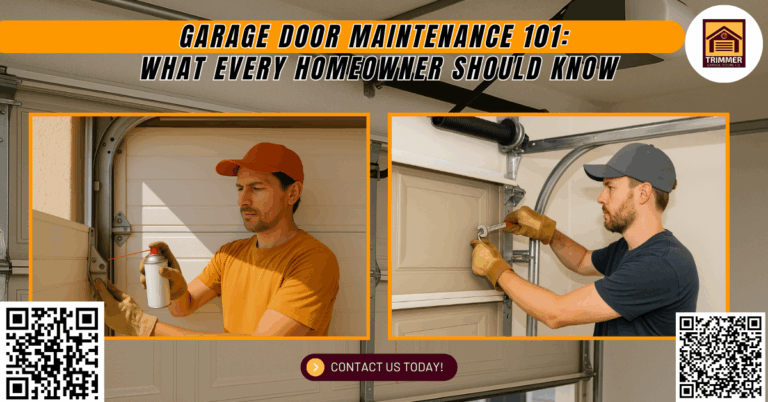
- Apply silicone lubricant to rollers, hinges, and spring coils.
- Check the entire chain tension. It should not sag more than about half an inch.
A smooth door should sound like a steady hum and soft rolling. Crackling, popping, or metal shrieks mean something is wrong.
5. The door is crooked or uneven
Possible causes:
- Off-track rollers
- Loose cable on one side
- Broken hinge
- Track mismatch
What to do:
- Stop using the door.
- Look for a roller that popped out of the track.
- If cables look uneven, do not try to fix them yourself. Call a technician.
We once handled a case near a vineyard-themed neighborhood in Killeen where the door leaned hard on one side. A cable had slipped off the drum. The homeowner kept running the opener and bent the track like a banana. That turned a quick cable reset into a full track replacement.
Step-by-Step Garage Door Troubleshooting Checklist
Use this order so you do not miss something simple.
Step 1: Check power and controls
- Is the opener plugged in
- Is the breaker tripped
- Does the wall button work
- Do remotes have fresh batteries
Step 2: Inspect the door path
- Any boxes, gravel, or ice chunks in the way
- Any dents in panels that could catch on the track
- Any tools, cars, or pedestrian items blocking movement
Step 3: Look at the safety sensors
- Clean lenses
- Align height
- Confirm steady lights
Step 4: Watch the rollers and tracks
- Rollers should sit fully inside the track
- Tracks should be level and parallel
- No gaps between track joints
- No major rust or bends
Step 5: Test manual balance
- Pull the release cord
- Lift the door by hand to waist height and let go carefully
- If it stays in place, the springs are probably ok
- If it slams down or shoots up, spring tension is off
Again, tension adjustment is for pros only.
Step 6: Listen to the opener
- Buzzing without movement may mean a stripped gear
- Clicking may mean a logic board issue
- Grinding may mean chain or drive trouble
Step 7: Lubricate and retest
Many doors run rough just because they are dry. A small amount of lubricant can fix jerky movement.
Troubleshooting Specific Parts
Garage door springs
Signs of spring trouble:
- Door feels heavy
- Door rises fast, then drops
- Loud bang in the garage
- Spring gap visible
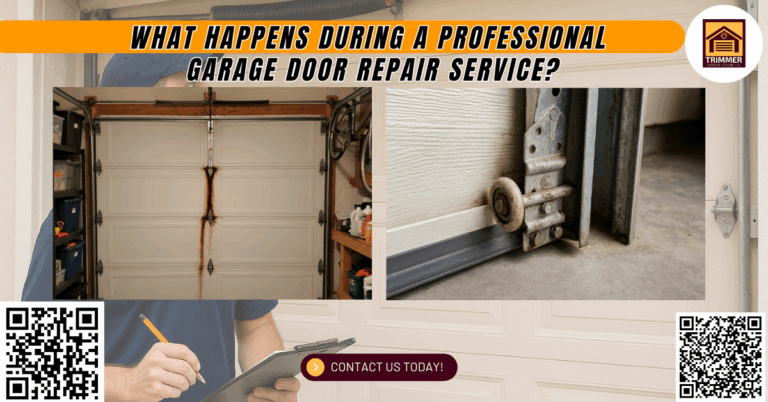
If you see a gap in the spring, it is broken. That is a call for trained technicians. Springs are high-tension parts and part of every serious building code safety guideline.
Garage door cables
Signs:
- Frayed strands
- Loose hanging cable
- Door leaning
- Grinding at side drums
Never try winding cables yourself. A slipped cable can cut fingers or cause the door to fall.
Rollers
Types:
- Steel rollers
- Nylon rollers
Nylon rollers are quieter and great for most homes in Killeen. Steel rollers last long in commercial settings like a parking garage. If rollers wobble or squeal even after lubrication, replacement is smart.
Tracks
Issues:
- Bends
- Loose brackets
- Misalignment
- Dirt buildup
Light track cleaning is ok for homeowners. If alignment is off, that is a job for a pro because even a small twist can cause derailment.
Opener
Common failures:
- Dead motor
- Worn gears
- Bad wall control wiring
- Travel limits off
- Broken drive belt or chain
Most openers last ten to fifteen years. If yours is older, parts might fail more often. Modern openers also include better safety features.
Weather and Local Factors in Killeen, TX
Killeen’s weather can be rough on garage doors:
- Heat expands metal and dries lubricant.
- Dust builds in tracks.
- Sudden storms can blow debris under a door.
- Humidity can cause surface rust.
So if your door acts up in late summer or after a storm, it may not be random. Maintenance twice a year helps.
We also see doors damaged by cars, bumping panels or tracks. Even a small tap can knock alignment out. If you suspect a car hit, check tracks carefully.
DIY Fixes You Can Safely Do
Here is what most homeowners can handle:
- Replacing remote batteries
- Cleaning and aligning safety sensors
- Lubricating rollers and hinges
- Tightening loose hinge and track bolts
- Cleaning track debris
- Adjusting opener travel limits slightly
- Replacing weather seals
If you are using a sawhorse as a work resource, keep it stable and never overload it. A steady support keeps you safe.
Repairs You Should Leave to Professionals
Call Trimmer Garage Doors Co. for these:
- Spring replacement or adjustment
- Cable repair
- Track realignment after rollers pop out
- Panel replacement
- Opener gear or motor replacement
- Full garage door installation
- Custom garage door headers or framing issues
- Any situation where the door is stuck open or off track
In many community thriving garage forums, moderators like sawhorse ice moderator types often share public thanks to corporate sponsors for supporting safety education. The big takeaway from those discussions is simple: heavy tension parts are not a homeowner’s project. We agree.
Preventive Maintenance Plan
Think of this like brushing your teeth for the door.
Monthly:
- Visual check for loose bolts
- Clean sensor lenses
- Listen for new noises
Every six months:
- Lubricate moving parts
- Check door balance
- Clean tracks
Yearly:
- Professional inspection
- Tightening and tuning up
- Spring and cable check
A professional inspection can prevent costly repairs and extend the door’s lifetime. We have customers in Killeen who have kept the same doors running smoothly for twenty years with basic upkeep.
When to Call Right Away
Stop troubleshooting and call us if:
- You see a broken spring
- Cables are frayed or loose
- Door is off track
- Door slams or falls fast
- You smell burning from the opener
- You hear repeated loud snaps
- The door will not stay open
These situations can cause injury or property damage quickly.
Frequently Asked Questions (FAQs)
1. Why does my garage door open or close by itself sometimes?
This usually happens because of a stuck remote button, a neighbor’s remote on the same frequency, or a short in the wall control wiring. It can also be caused by a failing logic board inside the opener, so if it keeps happening, it is smart to get it checked.
2. How do I reset my garage door opener after a power outage?
Most openers reset by unplugging the unit for about one minute, plugging it back in, then testing the wall button. If your remotes or keypad stop working afterward, you may need to reprogram them using the “learn” button on the motor housing.
3. About how long should a residential garage door and opener last?
A well-maintained garage door often lasts 15 to 30 years, while most openers last around 10 to 15 years, depending on use and climate. Heavy daily cycling, heat, and dust can shorten that lifespan, which is common in Central Texas.
4. What is the average cost to fix a garage door in Killeen, TX?
Repair costs vary a lot based on the problem, but common fixes like sensor alignment are usually low cost, while spring or opener replacements cost more because of parts and labor. The fastest way to get a real number is a quick inspection, since doors can have hidden damage that changes the estimate.
Final Thoughts
Garage door troubleshooting does not have to feel scary or confusing. Most problems start small and give clues like slow movement, strange noises, or uneven lifting. By checking power, sensors, tracks, rollers, and balance in a safe order, you can often spot the cause early. Simple upkeep, like lubrication and cleaning, keeps doors running smoothly, protects your home, and supports energy efficiency. But when springs, cables, tracks, or heavy parts are involved, it is best to trust trained technicians. That is not just a suggestion from us; it is a safety standard backed by years of field experience and every reliable building code guide out there.
If you keep this checklist handy and act quickly when signs appear, your garage door will stay dependable for your family, your car, and your daily routine in Killeen.
How Can Trimmer Garage Doors Co. Help You?
When garage door problems go beyond simple troubleshooting, Trimmer Garage Doors Co. is ready to step in with safe, reliable, and fast service. Our trained technicians handle everything from broken springs and worn rollers to malfunctioning openers and full custom installations for homes and businesses across Killeen and the surrounding areas. We show up with the right tools, the right parts, and the experience to fix the real root cause, not just the symptom.
Whether your door is stuck, noisy, off track, or just not running like it used to, we will walk you through your options clearly and honestly. We serve residential garages, commercial doors, and even heavy-duty systems found in parking garage facilities. Our goal is simple: protect your property, keep your family safe, and restore smooth door operation as quickly as possible.
Contact Trimmer Garage Doors Co. today at (430) 213-4007 to schedule your inspection, repair, or new installation. Visit us at 1000 E Central Texas Expy, Killeen, TX 76541. Let our local team bring back the quiet, safe, dependable garage door you deserve.